



- 02-052026
How to meet the heavy load requirements of stainless steel coils
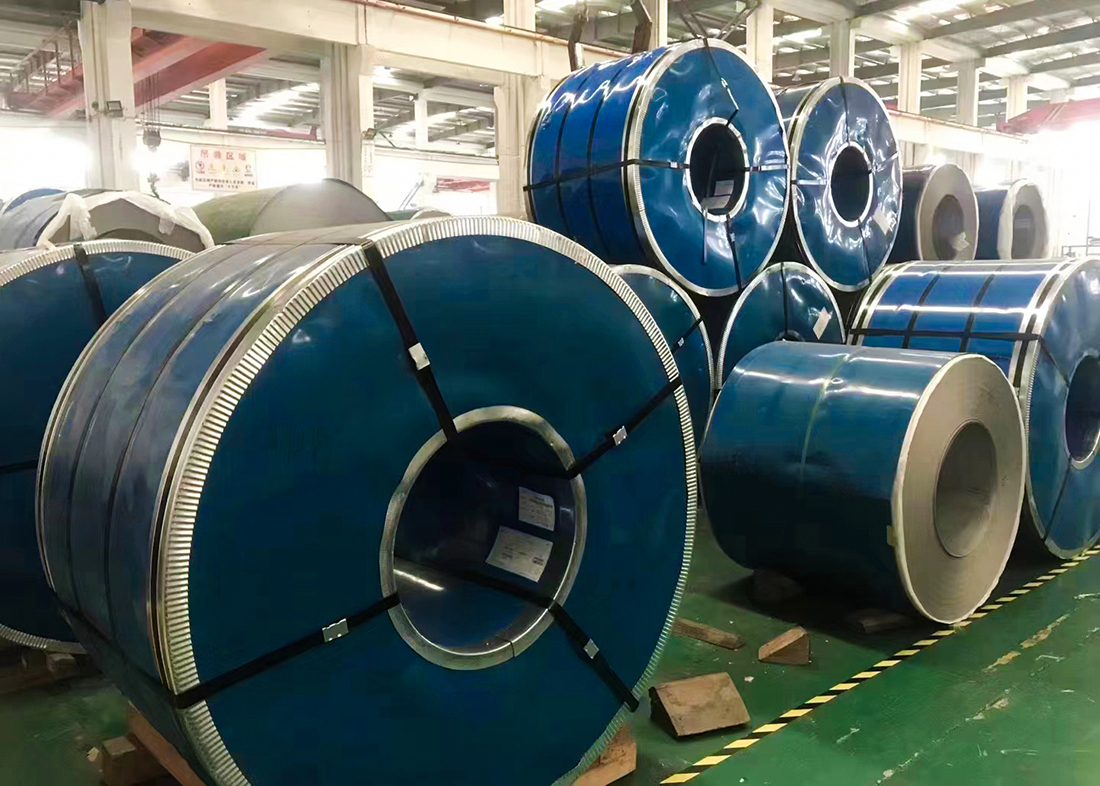
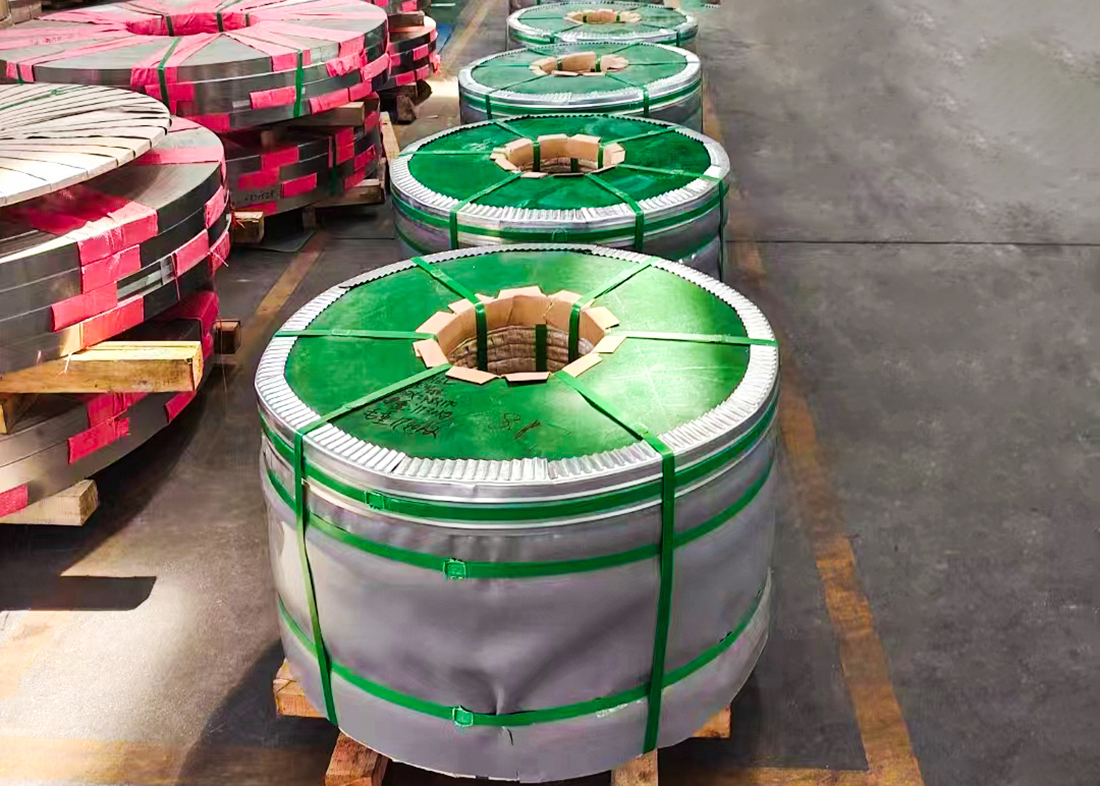
To meet the heavy load requirements, the core of stainless steel coils lies in improving their strength, wear resistance, corrosion resistance, and deformation resistance through material selection, structural design, and surface treatment, in order to adapt to high load and high stress industrial scenarios. The following is the specific implementation plan:
- 01-272026
What industries have a high demand for stainless steel strips
The industries with high demand for stainless steel strips are ranked by scale as building decoration, automobile manufacturing, home appliance manufacturing, electronics/3C, chemical/pharmaceutical, new energy, and precision machinery/medical equipment. Among them, building decoration is the traditional largest market, while automobiles and electronics are the rapidly growing emerging main forces
- 01-202026
Where are hot-rolled stainless steel coils mainly used in stainless steel coils
Hot rolled stainless steel coils are widely used in scenarios that require thickness and structural strength due to their large thickness, high strength, relatively low cost, and good plasticity and corrosion resistance. The core application areas are as follows: 1. In the field of mechanical equipment manufacturing It is the core raw material for producing basic components of heavy mach
- 01-132026
What is the core anti rust element of stainless steel strip
The core anti rust element of stainless steel strip is chromium (Cr), and its anti rust principle and auxiliary anti rust element functions are as follows: 1. The core rust prevention mechanism of chromium When the chromium content in stainless steel strip is ≥ 10.5%, chromium will react with oxygen in air or corrosive media, forming a dense, stable, and strongly adhered chromium oxide pas
- 01-052026
Why is stainless steel coil used in heavy equipment
Heavy equipment (such as construction machinery, mining equipment, port machinery, wind power equipment, etc.) operates under harsh conditions, enduring heavy loads, corrosion, high and low temperatures, and other challenges. Stainless steel coils, with their comprehensive advantages of high strength, corrosion resistance, formability, and durability, have become the material of choice for key com
 Jiangsu Lichao New Material Technology Co., Ltd.
 WeChat ID:m.gypsum-cn.com
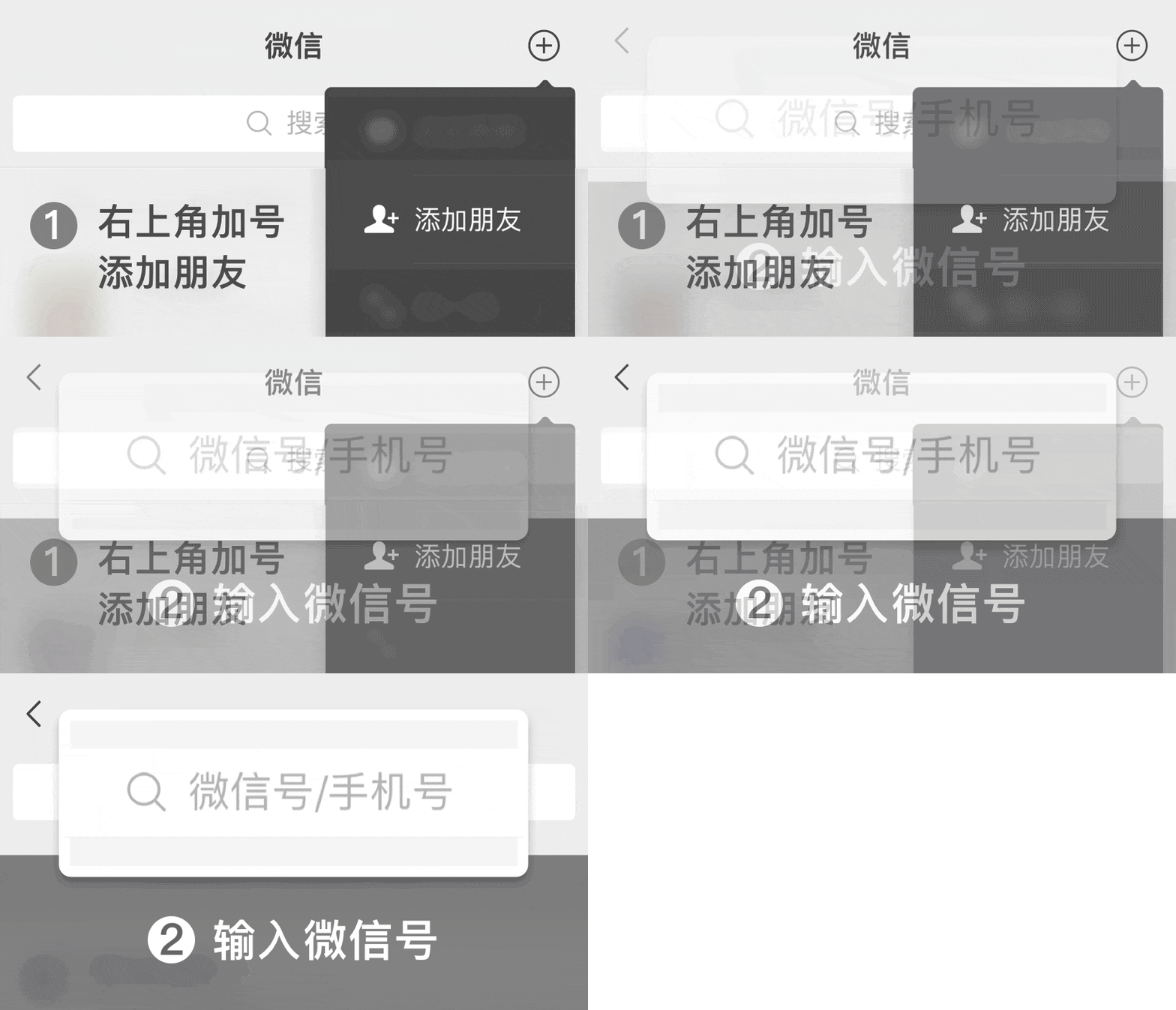
 Add WeChat
 Contact us
 The phone